

 USD


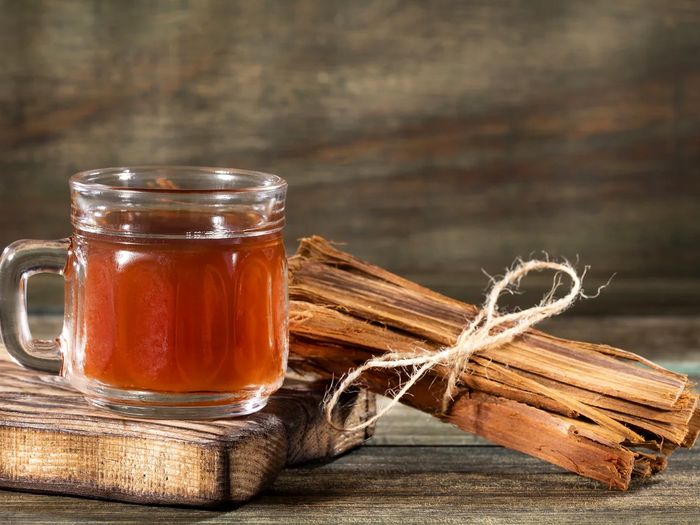
Herbal tinctures use alcohol and water to prepare a botanical, while teas use water. Capsules enclose their ingredients in a shell. When comparing these formats, start with the exact plant, part and preparation on each label. A format name describes one feature of a product; the full ingredient list gives you the rest.[1]
What separates herbal tinctures from teas?
The liquid used to prepare the botanical is the first distinction: water for tea, alcohol and water for a tincture.[1]
Both names describe a preparation. They belong beside the herb's identity, rather than replacing it. A useful product note therefore needs more than the word tea or tincture. Keep the plant name, part and preparation together, then record any other ingredients shown.
A practical comparison begins with the products you are actually considering. Put their ingredient information side by side. If one uses a leaf and another uses a different plant part, keep that difference visible throughout the comparison. You are choosing between complete products, each with its own instructions.
For a tea preparation, use the directions supplied for that exact herb product. The preparation method belongs with the identified material. Keep those directions separate from the label of a capsule or bottled extract.
Is every herbal extract a tincture?
No. A tincture is one type of extract, prepared with alcohol and water. An extract can be made using a liquid such as water or alcohol, and it can be supplied as a liquid or dried for use in another format.[1]
Read extract together with the ingredient description. A bottle's liquid ingredients help identify what it contains. On a capsule product, the botanical ingredient may itself be described as an extract. The words capsule and extract can therefore appear on the same product without being contradictory.
What goes inside an herbal capsule?
The ingredient list identifies the filling, while the other ingredients identify the shell and any separately listed materials.
Our Raintree Guacatonga Capsules list Guacatonga, Casearia sylvestris, leaf and stem. The other ingredients line names a vegan capsule made from hypromellose, a plant cellulose. These are two useful pieces of information: the botanical material inside and the material around it.[2]
The Guacatonga herb guide supplies the plant background. Return to the individual product information for the ingredients and precautions that belong to that particular format.
How do the three named examples compare?
The named products show why plant part and other ingredients belong beside the format.
| Product | Botanical material listed | Format detail to record |
|---|---|---|
| Guacatonga Capsules | Guacatonga leaf and stem | Hypromellose capsule shell |
| Guacatonga Powder | Guacatonga leaf | Dried and ground herb |
| Jergon Sacha Extract | Jergon Sacha rhizome extract | Distilled water and sugar cane alcohol |
The Raintree Guacatonga Powder ingredient information lists leaf. The capsule ingredient information lists leaf and stem. Keep that distinction even though the products share the same herb name. Their individual product pages also retain their own preparation and use instructions.[2, 3]
The Raintree Jergon Sacha Extract example is the named alcohol-and-water product. Its ingredient list supplies the rhizome and liquid details shown above. Read the Jergon Sacha herb guide for the plant profile, then use the extract page for its product-specific information.[4]
The Guacatonga Powder page includes a traditional infusion in its preparation section. This makes the dried leaf a different starting point from a finished capsule or bottled extract. The product's instructions provide the preparation details; use them for that named material.[3]
The two Guacatonga examples let you compare formats within one plant name, with the part difference still visible. Jergon Sacha adds a bottled extract example from a different plant. It illustrates a liquid ingredient list without becoming an alternative form of Guacatonga. A format comparison should preserve both distinctions.
Before choosing, identify whether you want to compare preparations of one particular plant or understand several formats more broadly. The first question needs matching botanical identities; the second still needs each example named accurately.
What should you compare before choosing a format?
Compare the complete ingredient descriptions first, then the practical instructions for each product.
Use a short checklist:
- Copy the full product name, including capsule or extract wording.
- Match the botanical name and the plant part.
- Record the preparation description.
- Read the other ingredients, including a capsule shell or liquid ingredients.
- Keep the product's directions and precautions alongside the comparison.
If you are discussing the choice with a practitioner, bring the actual labels or clear photographs. Include every side of the container that carries ingredient or precaution information. This makes the conversation about the products in front of you.
Where should you find preparation and use instructions?
Follow the instructions for the exact product, using its container and product page together.[5, 6]
Keep any preparation directions with the dried herb they describe. Keep a bottled extract's instructions with that extract, and a capsule product's directions with that capsule product. If the container and a page differ, ask the manufacturer to clarify using the full product name and any lot identifier shown.
Save the date of your comparison if you are keeping a personal product record. When you buy again, read the new container before reusing your notes. This is a simple way to keep the preparation, ingredient list and instructions together.
Precautions: what should you check first?
Talk to your healthcare practitioner before using a supplement, especially if you take any medication. Read the exact product's precautions.[5, 6]
Frequently asked questions
Do herbal tinctures contain alcohol?
A tincture is an alcohol-and-water preparation. Check the full ingredient list on the exact bottle you are considering, and keep those liquid ingredients in your comparison notes. Products described more broadly as extracts can have different preparations, so read the complete description alongside the product name.
Where is the plant part listed for a capsule?
Look in the botanical ingredient information for the part used. Guacatonga Capsules, for example, lists leaf and stem. Read that line alongside the botanical name, then check the other ingredients separately for the shell material. Keep both parts of the label with your product record.
Do the two Guacatonga examples use the same plant part?
Their ingredient lists differ: Guacatonga Capsules lists leaf and stem, while Guacatonga Powder lists leaf. Preserve those exact descriptions when comparing the products. Each product page supplies its own preparation information and precautions, which belong with that named product and its current container.
Where can I compare the three examples?
Use the ingredient sections for Guacatonga Capsules, Guacatonga Powder and Jergon Sacha Extract. Record the plant part, preparation and other ingredients for each one. Then consult the directions and precautions for the exact product you are considering, with your practitioner where appropriate.
Sources
- NIH ODS, Botanical Dietary Supplements Background Information. ods.od.nih.gov
- Raintree Guacatonga Capsules. raintree.com
- Raintree Guacatonga Powder. raintree.com
- Raintree Jergon Sacha Extract. raintree.com
- FDA 101: Dietary Supplements. www.fda.gov
- NCCIH, Using Dietary Supplements Wisely. www.nccih.nih.gov