

 USD


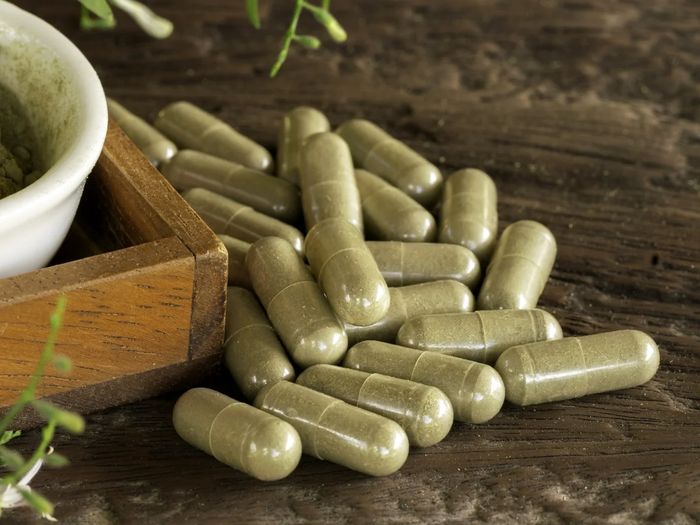
Read an herbal supplement label from the product name through the full ingredient information. Match the botanical names and plant parts, distinguish a blend total from its ingredients, and check the capsule shell separately. Keep the directions, precautions and identifying details with your record. Supplement Facts is the US panel heading used in this walkthrough.[1]
Where should you start on an herbal supplement label?
Start with the full product name and format, then read the ingredient information on the same container.
Write the name as printed, including any wording that distinguishes one version from another. A photograph of the front helps you return to the right product, but include the ingredient and precaution panels too. Keep the pictures together so the name and contents remain connected.
If you are comparing an online page with a container, check that both refer to the same product and format. Use the page to explore the details, then retain the information supplied with your own product. An unclear difference is a reason to ask the manufacturer a precise question.
For a useful personal record, begin with the date, product name and where you read the information: container, label photograph or product page.
Why read both the botanical name and plant part?
The botanical name identifies the plant, while the part identifies the material used.[2]
Our Raintree Guacatonga Capsules ingredient information names Guacatonga, Casearia sylvestris, leaf and stem. Keep the entire description in your notes. The common name is familiar, the botanical name helps match the plant, and leaf and stem specifies the listed parts.[3]
The Guacatonga herb guide gives the broader plant profile. The product information supplies the ingredient description for these capsules. Reading them together connects the plant with the particular product while keeping their different jobs clear.
When several herbs appear on a label, record each name and its accompanying part. Preserve the wording shown rather than filling a gap from another product or a general herb description.
What does the Supplement Facts panel show?
On a US dietary supplement, the panel brings together dietary ingredients and their declared amounts, with headings that explain how to read them.[1, 4]
Read the column headings before the figures. The panel's own labels establish the basis for the amounts. Keep that context attached when making a note; a figure separated from its heading is easy to misread.
Then work down the ingredient names. Give any blend its own line in your record, and keep the names listed beneath it together. Read symbols with their corresponding footnotes on that label.
This is a reading task, rather than a set of instructions for using the product. Keep the directions and precautions as separate items in the same record. UK readers should use the information supplied with their own product; Supplement Facts is US terminology.
What does proprietary blend mean?
A proprietary blend groups dietary ingredients under a blend name and declares a total for that blend. The total belongs to the group rather than to each botanical individually.[4]
Read the blend heading, its total and its ingredient names as one section. A clear record keeps that structure: blend name first, then the herbs as listed. This is more useful than copying a total beside every ingredient.
Keep the exact label wording. A product containing several herbs is not automatically labeled as a proprietary blend, so the expression belongs in your notes only when the label uses it.
Our Raintree N-Tense product information provides a multi-herb example for reading botanical names and parts. Its ingredient list includes Guacatonga leaf and stem among its herbs. Use the listed ingredients for identity; keep their proportions out of any assumptions you make from the name or list.[5]
Where do you find the capsule shell and other ingredients?
On a US label, read the Other ingredients information alongside the Supplement Facts panel.[1, 2]
For Guacatonga Capsules and Raintree N-Tense, the product pages identify a vegan capsule made from hypromellose, a plant cellulose. That shell declaration appears separately from the botanical ingredients. These named examples show why both sections belong in a complete product record.[3, 5]
Copy unfamiliar ingredient names accurately. If a name or its purpose matters to your choice, ask the manufacturer about that exact entry. Including a clear photograph and the full product name makes the question easier to answer.
A short note can have two headings: botanical ingredients and other ingredients. Keep the capsule material under the second heading, just as it appears in the product information.
What should a useful label record contain?
Keep the product identity, ingredients, precautions and the date you read them together.
| Record field | What to retain |
|---|---|
| Product | Full name and format |
| Botanical ingredients | Common names, botanical names and plant parts as listed |
| Blend information | Exact blend wording and the context of its total |
| Other ingredients | The complete list, including the shell where shown |
| Use information | Directions and precautions from that product |
| Identification | Any lot identifier and printed date shown |
| Record date | When and where you read the information |
Photograph the relevant panels before putting the product away. If you share the record with a practitioner, send the pictures as well as your notes so they can read the original wording.
Update the record when you open a replacement container. Compare the new information with the older note, and keep each note tied to the container it describes. If a printed detail is unclear, ask the manufacturer to identify it rather than guessing from its position or format.
Precautions: what should you check first?
Talk to your healthcare practitioner before using a supplement, especially if you take any medication. Keep the exact product's precautions with your label record.[6, 7]
Frequently asked questions
Are a common name and a botanical name the same thing?
They are different ways of naming a plant. The botanical name helps you match an ingredient to its plant profile, while the common name may be the one you recognize first. Record both when they appear, and keep the plant part beside them so the ingredient description stays complete.
Does a blend total apply to every herb in the blend?
A blend total describes the blend as a whole. Keep that total with its blend heading, and record the ingredient names beneath it as shown. Reading the group together preserves the label's meaning without assigning an individual amount to a botanical whose amount is not separately given.
Where is the shell listed on the Raintree examples?
The product information for Guacatonga Capsules and Raintree N-Tense lists a vegan hypromellose capsule under Other ingredients. Read that line alongside the botanical list. It identifies the shell around the herbs, while the botanical list identifies the plants and parts used in the filling.
Should UK readers expect a Supplement Facts heading?
Supplement Facts is US label terminology. Use the actual label supplied with your product and read its ingredient, direction and precaution information together. When comparing a UK container with a website, choose the matching product in the UK store and ask about any wording that needs clarification.
Sources
- FDA, Questions and Answers on Dietary Supplements. www.fda.gov
- 21 CFR 101.4, official 1 Apr 2025 edition. www.govinfo.gov
- Raintree Guacatonga Capsules. raintree.com
- 21 CFR 101.36, official 1 Apr 2025 edition. www.govinfo.gov
- Raintree N-Tense. raintree.com
- FDA 101: Dietary Supplements. www.fda.gov
- NCCIH, Using Dietary Supplements Wisely. www.nccih.nih.gov