

 USD


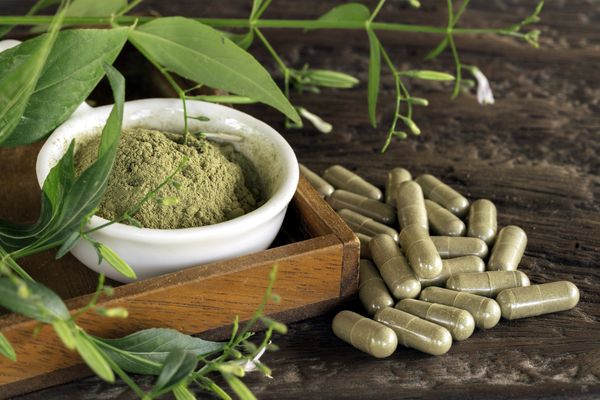
Store herbal supplements according to the instructions supplied with each product. Keep the original container and close it as directed. Our N-Tense product page specifies a cool, dry place; our Mulungu Powder page adds sealed and dark storage. Check your container's printed date, and ask the manufacturer about unclear instructions or unusual storage conditions.[1, 2, 3]
Where should you start when you store herbal supplements?
Read the storage instructions before choosing a place for the product.
Keep the wording close at hand while you look at your shelf or cupboard. A storage statement can contain several separate requirements, such as cool, dry, dark or sealed. Check each part rather than remembering only the first word.
Keep supplements in their original containers so the product information stays with them. This also leaves the printed identifiers and instructions available when you need to check a detail or contact the manufacturer.[1]
If you keep several products together, read each storage statement individually. A convenient place needs to suit the instructions for the products you put there. Choose somewhere you can return them consistently after use, with the labels easy to read.
What does Raintree N-Tense specify?
The Raintree N-Tense product page says to store it in a cool, dry place and keep it out of reach of children.[2]
Read the Raintree N-Tense storage instructions with the information supplied on your own container. Choose a location that meets those stated conditions, and keep access by children in mind when deciding where the product belongs.
Make this a practical placement check. Look at the spot you plan to use, then think about when nearby equipment is running or the room is in regular use. A place that is convenient for a moment should also suit the product's instructions between uses.
If you are unsure whether the location meets the stated conditions, ask the manufacturer using the exact product name. Keep the answer with the container information for later reference.
What does Mulungu Powder specify?
The Mulungu Powder product page says to store it sealed in a cool, dry, dark place.[3]
The Mulungu Powder storage instructions give each of those details together. Keep the original packaging and check the closure when putting it away. Sealed storage is part of this named product's instruction, so include it in your routine.
The product page is the storage example here. The Mulungu plant profile supplies the separate botanical background. Use the product information for the preparation you have, including its storage wording and precautions.
For dried herbal tea material more generally, follow the instructions supplied for that exact product. This article concerns storing the dried material in its container. Preparation directions belong with the particular herb product.
How can you turn the instructions into a routine?
Give each product a suitable place, keep its information attached and check the closure before returning it.
A simple routine can follow three steps:
- Read the storage statement and choose a place that meets it.
- Retain the original container, label and any accompanying instructions.
- Close the container as directed and return it to that place after use.
For the two Raintree examples, the comparison is straightforward:
| Product-page instruction | What to check in your routine |
|---|---|
| N-Tense: cool, dry place | The location meets both stated conditions |
| N-Tense: out of reach of children | The chosen location restricts children's access |
| Mulungu Powder: sealed | The container is closed as instructed |
| Mulungu Powder: cool, dry, dark place | The location meets all three stated conditions |
A short note on your storage shelf can remind you to check the original instructions. Keep that reminder separate from the label so it adds a practical prompt without covering product information.
What should you do in hot weather or after heat exposure?
Check the exact product's instructions and ask its manufacturer if the conditions are unclear or have been exceeded.
Start with the full product name, the container you have and the storage wording. Describe what happened as accurately as you can: where the product was, roughly how long it was there, and whether the packaging was affected. If you have a measured temperature, include it rather than estimating one.
Address product-specific questions to the manufacturer, using the information available for that product.[4]
Keep the answer with your record, especially if the situation concerns a particular lot or container. A photograph of the label and packaging can help identify what you are asking about.
Should you refrigerate an herbal product?
Follow the product's stated storage conditions, and ask the manufacturer before choosing refrigeration when the instructions leave that question open.
Begin with what the container actually says. If it gives a specific storage instruction, retain that wording in your notes. If it only says cool and dry, ask how the manufacturer intends those words to apply to your situation.
The same approach is useful when traveling. Read the instructions before packing, keep the original information with the product, and ask about any storage conditions you expect to find difficult to meet.
This keeps the decision tied to the named product rather than applying a rule borrowed from a different preparation.
How should you check the date and container?
Read the printed date and any accompanying wording on your own container, and ask about anything unclear.
Keep the date together with the product name and any lot identifier. If you are sending a question, include a clear photograph so the manufacturer can see the printing in context.
If the container is damaged or its closure no longer works as intended, ask the manufacturer before using the product. Describe the damage and retain the packaging while you seek clarification.
Check a replacement container when it arrives, even if you have bought the product before. Keep its instructions and identifiers with that purchase rather than carrying forward a date or storage note from an older container.
Precautions: what should you check first?
Keep supplements out of reach of children. Talk to your healthcare practitioner before using a supplement, especially if you take any medication, and read its precautions.[1, 4, 5]
Frequently asked questions
Can every herbal supplement use the same storage rule?
Use each product's own storage statement. The two Raintree examples share cool, dry storage wording, while Mulungu Powder also specifies sealed and dark storage. Read all the details on the product information and keep the original container so those instructions remain available when you need them.
How should I close Mulungu Powder after use?
Its product-page instructions specify sealed storage in a cool, dry, dark place. Check the closure before returning the container to its storage location, and retain the original packaging and information. If the closure is damaged or unclear, ask the manufacturer about that container before using the product.
Is there one expiry period for all dried herbs?
Check the date and wording on the exact product you have. Keep them with the product name and lot identifier, and ask the manufacturer about an absent or unclear date. This keeps your decision tied to that container and its instructions rather than to a general estimate.
What if a container has been damaged?
Ask the manufacturer about the exact product and container before using it. Describe the damage and include photographs of the packaging, label and any identifying details. Keep the original container while you seek clarification so the manufacturer can relate its answer to the product and lot you have.
Sources
- Council for Responsible Nutrition, consumer storage advice. www.crnusa.org
- Raintree N-Tense. raintree.com
- Raintree Mulungu Powder. raintree.com
- FDA 101: Dietary Supplements. www.fda.gov
- NCCIH, Using Dietary Supplements Wisely. www.nccih.nih.gov