

 USD


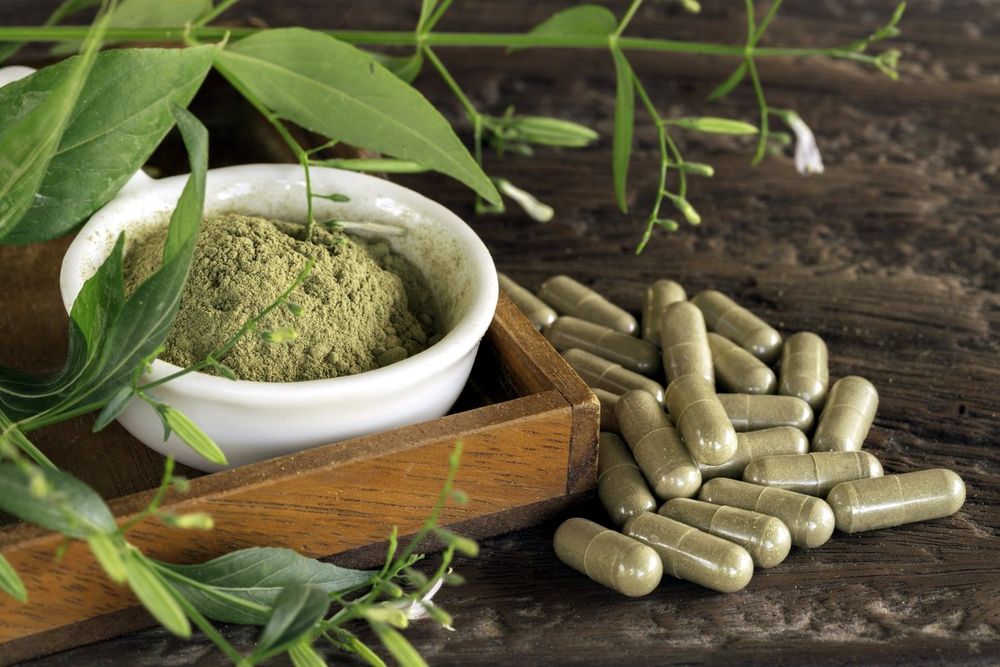
Gelatin capsule shells are made from animal-derived collagen. Vegetarian capsules use other materials, including cellulose-based hypromellose. Read the shell declaration separately from the herbal contents, then consider the full ingredient list. The material around a capsule and the botanical preparation inside it are distinct details, and both belong in your product comparison.[1, 2, 3]
What are gelatin capsule shells made from?
Gelatin is a protein material derived from animal collagen.[1]
The material name is the useful starting point when your choice depends on the source of a capsule shell. Read the exact declaration rather than judging the shell from its color or appearance. If you need more detail about the animal source, ask the manufacturer about the particular product.
Ask the manufacturer about the shell material on the specific product. Include the ingredient wording and full product name in your question. If its animal source matters to your choice, request that detail for the product you are considering.
What can vegetarian capsules be made from?
Vegetarian capsule shells can use materials such as hypromellose, a modified cellulose also called hydroxypropyl methylcellulose or HPMC.[2, 3]
Those terms can appear in different forms across product information. Recognizing HPMC and hypromellose helps you match the ingredient name to its explanation. The complete other-ingredients list remains the place to check the particular shell declaration.
Capsule shells can be made using different materials. Read the word vegetarian alongside the ingredient list, then identify the actual material named. This keeps your comparison specific to the products you are considering.
Our Raintree N-Tense 2 product information lists a vegan hypromellose capsule under Other ingredients. Read its complete botanical list separately for the filling.[5]
How is a capsule shell different from its filling?
The shell encloses the contents; the filling is the preparation inside it.
A hard capsule has two fitted sections that close around the filling. The shell material and the enclosed ingredients are therefore separate parts of the finished capsule.[3]
For an herbal supplement, read the botanical list for the plants and parts inside. Read the other ingredients for the shell and any other separately declared materials. On US labels, that other-ingredient information accompanies the Supplement Facts panel.[4]
This distinction is especially useful when comparing two products with similar names. They may name the same herb, yet the preparation or plant part can differ. Equally, two products may name the same shell material while containing different herbs. Record each fact in its own place.
A dietary preference concerns the complete product. Bring together the shell information, the filling and the manufacturer's product statement before deciding whether it matches what you are looking for.
For a filling example, Raintree N-Tense 2 lists Suma, Pfaffia paniculata, root among its herbs. The Suma herb guide connects that ingredient name with its plant profile.[5]
What do the named Raintree examples list?
Raintree N-Tense 2 and Guacatonga Capsules list vegan hypromellose capsules separately from their herbs.[5, 6]
The Raintree N-Tense 2 product information names hypromellose as a plant cellulose in its other-ingredients line. Its botanical ingredients are listed separately.[5]
The Raintree Guacatonga Capsules product information names Guacatonga, Casearia sylvestris, leaf and stem, with the vegan hypromellose shell in the other-ingredients line. Here again, the plant material and the shell have separate descriptions.[6]
| Product | One botanical detail to record | Shell declaration |
|---|---|---|
| Raintree N-Tense 2 | Suma root is one of its listed herbs | Vegan capsule, hypromellose |
| Guacatonga Capsules | Guacatonga leaf and stem | Vegan capsule, hypromellose |
Where should you look for the shell ingredient?
Start with the other-ingredients information, then read any accompanying explanation of the material.
On a US label, this list is beside or below the Supplement Facts information. The capsule declaration may contain a familiar material name, an abbreviation or a longer chemical name. Keep the full wording when you copy it.[4]
If the shell material is central to your choice, photograph that line and the front of the container together. This gives you an identifiable product and the exact wording to ask about. Use the manufacturer's contact information for any detail that remains unclear.
An online product page can help with the comparison, but keep the container information with your final record. When you replace a product, read the new container's ingredient list before carrying older notes forward.
How should you compare two capsule products?
Compare the complete ingredients against your own dietary preferences, keeping shell and filling separate.
A simple comparison can use four questions:
- What shell material is named?
- Which botanicals and plant parts are inside?
- What else appears in the ingredient information?
- What does the manufacturer say about the complete product?
Write the answers for each exact product. This gives an unfamiliar ingredient a clear place in the comparison and makes follow-up questions specific.
Keep the comparison focused on materials and declarations. A shell preference can guide what you look for, while the exact product's ingredient list, directions and precautions supply the rest of the information needed for your discussion with a practitioner.
Precautions: what should you check first?
Talk to your healthcare practitioner before using a supplement, especially if you take any medication. Read the precautions for the exact product you choose.[7, 8]
Frequently asked questions
Is gelatin a vegetarian capsule material?
Gelatin is derived from animal collagen, so it is an animal-derived shell material. If your preference is for a vegetarian capsule, look for the shell material and the manufacturer's description of the complete product. Read the botanical filling and other ingredients as well as the shell declaration.
Is hypromellose another name for gelatin?
No. Hypromellose is a modified cellulose, also known as hydroxypropyl methylcellulose or HPMC. Gelatin is derived from animal collagen. These are different capsule-shell materials. Use the exact ingredient wording on the product you are considering, and ask its manufacturer about any detail relevant to your choice.
Does a vegetarian shell describe everything inside a capsule?
The shell description identifies the material surrounding the contents. The full ingredient information identifies the filling and other ingredients. Read those sections together with the manufacturer's description of the complete product, so your choice rests on the whole declaration rather than on one word beside the capsule material.
Where can I check a Raintree shell ingredient?
Read the Ingredients information for Raintree N-Tense 2 or Guacatonga Capsules, including the Other ingredients line. Both named product pages list a vegan hypromellose capsule separately from their herbs. Keep that shell declaration beside the complete botanical list when making your own product comparison.
Sources
- FAO/JECFA, Edible Gelatin specification. www.fao.org
- FAO JECFA Monographs 11, Hydroxypropylmethyl cellulose, 2011. www.fao.org
- WHO International Pharmacopoeia, Capsules, 2025 edition. digicollections.net
- 21 CFR 101.4, official 1 Apr 2025 edition. www.govinfo.gov
- Raintree N-Tense 2. raintree.com
- Raintree Guacatonga Capsules. raintree.com
- FDA 101: Dietary Supplements. www.fda.gov
- NCCIH, Using Dietary Supplements Wisely. www.nccih.nih.gov