

 USD
USD


Did you know?
The Nahuatl epazotl joins epatl, "skunk," and tzotl, "sweat," which makes epazote, quite literally, "skunk sweat"[2, 3, 4].
Its aroma is famously hard to pin down. It has been compared to citrus, mint, petroleum and turpentine[4, 7].
Until 2002 it was Chenopodium ambrosioides, one of the goosefoots, a group named for leaves shaped like a goose's foot that also includes quinoa[1, 4, 10].
In Brazil it is known as chá-do-méxico and chá-dos-jesuítas, "Mexican tea" and "Jesuits' tea," the same names it carries in English[5, 6, 9].
Its stems and leaves are dotted with tiny aromatic oil glands, the source of the strong smell released when a leaf is crushed[5, 6].
The name was written down as early as 1571, when Alonso de Molina's Spanish–Nahuatl dictionary glossed epazotl as the "yerba buena," or mint, of New Spain[3].
Origins and history
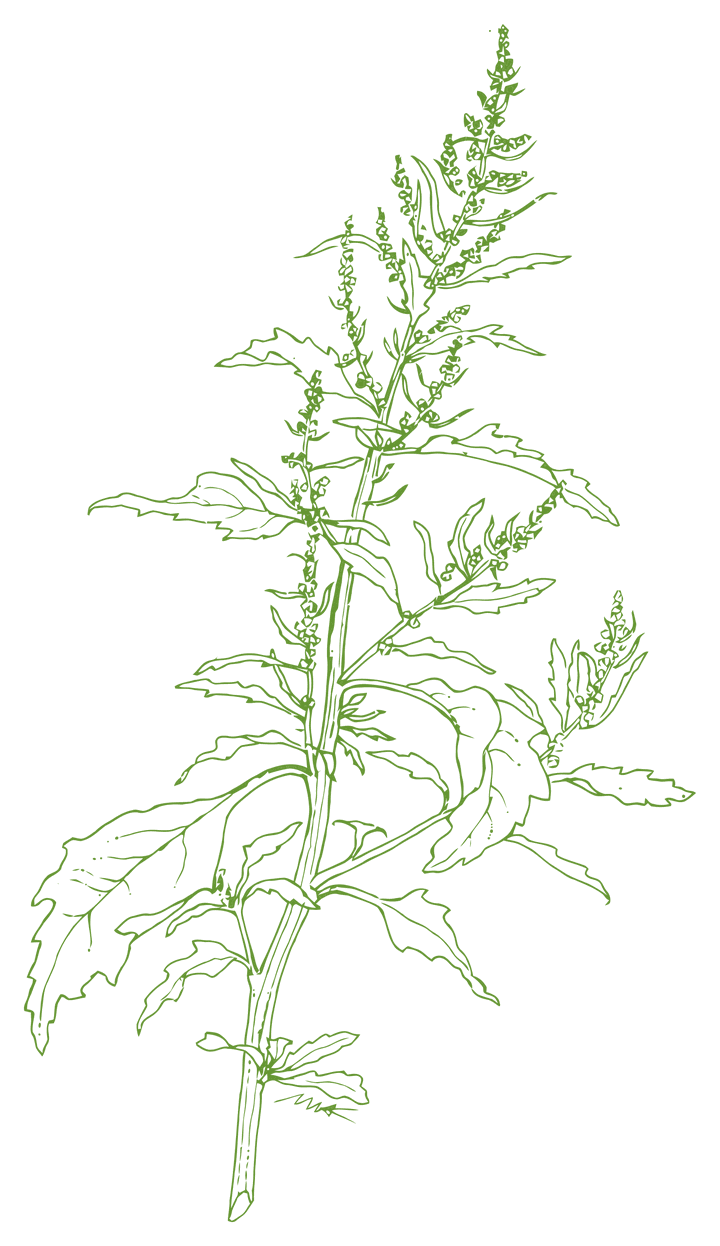
Epazote is an annual or short-lived perennial herb that grows about 1 meter (3 feet) tall, with branching stems and toothed, lance-shaped leaves[2, 5, 6]. Tiny flowers grow in small clusters along the stems[2, 5]. It has spread far beyond the Americas and now grows in warm regions across Africa, Asia, Europe and Australia[1, 4]. Carl Linnaeus named it Chenopodium ambrosioides in 1753, and in 2002 the botanists Mosyakin and Clemants moved it to the genus Dysphania[1, 5].
The Spanish name epazote comes from the Nahuatl epazotl, and the herb is still a mainstay of Mexican cooking, where its fresh leaves are prized[2, 3, 11]. Its strong taste is a hallmark of the Maya cooking of southern Mexico and Guatemala, and the Yucatán Peninsula is the heart of epazote country[4]. Spanish speakers also call it apazote, pazote and paico, and in Brazil it is mastruz or erva-de-santa-maria[5, 6, 9]. Beyond seasoning, the tender leaves are cooked as a green[5, 6]. The leaves and flowers are steeped as a tea[2, 6], and that habit gave the plant the names Mexican tea and Jesuit's tea in English, Portuguese and German[4, 6, 9].
Traditional uses
Epazote's everyday home is the kitchen, where its traditional use is tied to digestion[4, 6, 7].
Cooked with beans
A sprig goes into the bean pot for flavor and, by long tradition, to make beans easier on the digestion[4, 6, 7].
A digestive tea
The leaves and flowers are steeped in hot water as a tea. Epazote supports digestive comfort.*[2, 5, 7]
A seasoning for the Mexican kitchen
Beyond beans, the fresh leaves flavor soups, salads and meat dishes, and the green herb sauce mole verde[4, 11].
Plant compounds
Epazote owes its smell to an essential oil rich in naturally occurring plant compounds called monoterpenes, chiefly ascaridole and alpha-terpinene, with p-cymene and limonene[5, 8]. The oil is most concentrated in the seeds and flowering tops[5, 6, 7]. The leaves also contain flavonoid glycosides[5, 8].
Precautions
Where our epazote comes from
Our epazote is wild-harvested. Every batch is tested for heavy metals, mold, yeast and pathogens.
- Wild-harvested
- South America
- Tested every batch
Raintree products with epazote
Epazote is also an ingredient in these Raintree products
Frequently asked questions
What does epazote mean?
Epazote comes from the Nahuatl word epazotl, which joins epatl, "skunk," and tzotl, "sweat." The name is a nod to the plant's powerful smell.
What does epazote taste like?
Strong, resinous and pungent. Its flavor and scent have been compared to citrus, mint, petroleum and turpentine.
Why is epazote cooked with beans?
Mexican cooks add it for its flavor and, by long tradition, to make beans easier on the digestion.
Is epazote the same as Mexican tea?
Yes. Mexican tea and Jesuit's tea are English names for epazote, Dysphania ambrosioides. In Spanish it is also called paico, and in Brazil mastruz or erva-de-santa-maria.
Is epazote oil safe?
No. The concentrated essential oil should never be taken, and the seeds, where the oil is strongest, should not be eaten. The leaf is the part used as a kitchen herb.
Which Raintree products contain epazote?
Epazote is one of the herbs in our Amazon A-P formula.
References
- Royal Botanic Gardens, Kew. Dysphania ambrosioides (L.) Mosyakin & Clemants. Plants of the World Online. powo.science.kew.org. Accessed 29 Sep 2026.
- Real Academia Española. Epazote. Diccionario de la lengua española. dle.rae.es
- Wood S, ed. Epatl; epazotl. Online Nahuatl Dictionary. Wired Humanities Projects, University of Oregon. nahuatl.wired-humanities.org
- Katzer G. Epazote (Dysphania ambrosioides). Gernot Katzer's Spice Pages. gernot-katzers-spice-pages.com
- Stuart GU. Alpasotis, Dysphania ambrosioides. Philippine Medicinal Plants. stuartxchange.org
- NC State Extension. Dysphania ambrosioides. North Carolina Extension Gardener Plant Toolbox. plants.ces.ncsu.edu
- Plants For A Future. Chenopodium ambrosioides. pfaf.org
- Kasali FM, Tusiimire J, Kadima JN, Agaba AG. Ethnomedical uses, chemical constituents, and evidence-based pharmacological properties of Chenopodium ambrosioides L.: extensive overview. Future Journal of Pharmaceutical Sciences. 2021;7:153. doi:10.1186/s43094-021-00306-3
- GBIF.org. Dysphania ambrosioides (L.) Mosyakin & Clemants: vernacular names (Flora e Funga do Brasil, GRIN Taxonomy, Catalogue of Life). gbif.org. Accessed 29 Sep 2026.
- Encyclopaedia Britannica. Goosefoot. britannica.com
- Merriam-Webster Dictionary. Epazote. merriam-webster.com