

 USD
USD


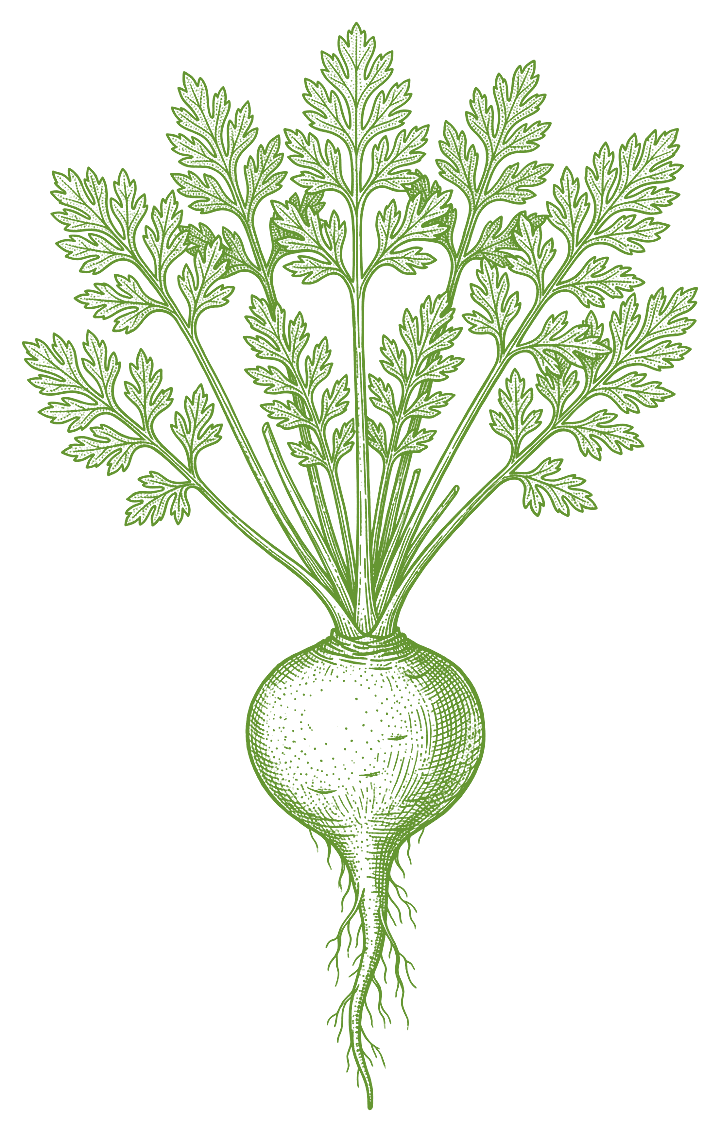
Did you know?
Maca fields in central Peru lie at 13,000 to 14,800 feet above sea level[3, 6].
Archaeologists have found early cultivated maca at Andean sites dating back more than 3,500 years[5].
In Spanish colonial times, maca was valuable enough to be used as currency[5].
Andean farmers sort maca by the color of its root: cream-yellow, red, purple and black[5, 6].
Dried maca roots keep for years[5].
The first written record of maca dates from 1553, when the Spanish chronicler Cieza de León noted that the people of the high Bombón plateau, today's Junín, lived on certain roots: maca[11].
Origins and history
Maca is a small plant grown for its swollen underground part: strictly, the root fused with the lower stem, called the hypocotyl, about 4 to 5.5 inches long[5]. It is farmed high in the central Andes of Peru, at 4,000 to 4,500 meters[3, 6], and the species grows wild from Peru into Bolivia, northern Chile and northwestern Argentina[1]. It was probably first domesticated on the Junín plateau, near present-day Ondores[11]. The botanist Wilhelm Gerhard Walpers gave it its scientific name, Lepidium meyenii, in 1843[2]. It belongs to the mustard family, alongside cabbage, broccoli, radish and turnip[1, 4].
People have grown maca for a very long time. Archaeological sites in the Andes hold early cultivated forms of the plant dating back more than 3,500 years[5]. The Incas grew maca as a food and also used it in religious ceremonies[13]. The Spanish soon took note: in 1553 the chronicler Cieza de León wrote that the people of the Bombón plateau lived on certain roots, which were maca, and a century later Father Cobo, the first to write down the name maca, described it growing where no other food plant could[11]. In colonial times native people even used maca as currency[5]. Fresh roots are cooked in pachamancas, earth ovens lined with hot stones, and dried roots keep their quality for years[5, 11]. The dried roots are as hard as stone, so they are boiled in water or milk until soft, and a drink made this way is the most common way to take maca in the Andes[11, 12].
Growers recognize several color types, from cream-yellow to red, purple and black, and the types differ slightly in their plant compounds[5, 6]. Some maca is gelatinized before it is milled: cooked with heat and moisture, which gelatinizes the root's starch[6, 9].
Traditional uses
Maca has a long history as food and a growing body of research in people: placebo-controlled trials in Peru and elsewhere have looked at its effects on energy, mood and libido[6, 7].
A staple of the high Andes
For centuries maca has been a mainstay of the diet on the cold high plateaus where it grows: cooked fresh in earth ovens, or dried, stored and boiled in water or milk[3, 5, 6, 11, 12].
Energy and stamina
Maca has a long reputation for energy and strength[8]. In a 12-week placebo-controlled study of 175 adults in Peru, most people taking red maca reported more energy[6]. Maca supports energy and stamina.*
A balanced mood
In the same study, most people taking maca reported a better mood[6]. Maca supports a balanced mood.*
Healthy libido
A systematic review of clinical trials found positive effects on sexual desire in healthy men[7, 8]. Maca supports healthy libido.*
Plant compounds
Maca root contains glucosinolates, mainly benzyl glucosinolate (also called glucotropaeolin)[5, 8], and macamides, a group of compounds found in maca[5, 6, 8]. As a root vegetable it is mostly carbohydrate, much of it as polysaccharides[8].
Precautions
- Maca is eaten as a food in Peru and was well tolerated in a 12-week study in adults[6].
- Not for use during pregnancy or breastfeeding[8].
- If you have a hormone-sensitive condition, talk to your healthcare practitioner before use[8].
- If you take medication, talk to your healthcare practitioner before use.
Where our maca comes from
Our maca root is cultivated in Peru, and the root in our Gelatinized Maca Capsules is gelatinized. Every batch is tested for heavy metals, mold, yeast and pathogens.
- Wild-harvested
- Peru
- Tested every batch
Raintree products with maca
 CapsulesGelatinized Maca CapsulesGelatinized (pre-cooked) maca root, 500 mg per capsule, nothing added.Out of stockView product →
PowderMaca powderOut of stockView product →
CapsulesGelatinized Maca CapsulesGelatinized (pre-cooked) maca root, 500 mg per capsule, nothing added.Out of stockView product →
PowderMaca powderOut of stockView product →
Maca is also an ingredient in these Raintree products
Frequently asked questions
What is maca?
Maca is a root vegetable of the high Andes, Lepidium meyenii, from the mustard family. It is farmed in central Peru at 4,000 meters and above and has been eaten there for centuries.
What is gelatinized maca?
Gelatinized maca is maca root that has been cooked, with heat and moisture, before it is dried and milled. Cooking gelatinizes the root's starch, as it does in any starchy vegetable. In the Andes, too, fresh maca is often cooked, in earth ovens lined with hot stones.
Which part of maca does Raintree use?
The root, gelatinized, sourced from Peru.
What colors does maca come in?
Maca roots range from cream-yellow to red, purple and black. Growers sort them by color, and the types differ slightly in their plant compounds.
Where does maca grow?
High in the Andes. It is farmed in central Peru at 4,000 to 4,500 meters (13,000 to 14,800 feet), and the species also grows in Bolivia, northern Chile and northwestern Argentina.
References
- Royal Botanic Gardens, Kew. Plants of the World Online: Lepidium meyenii Walp. powo.science.kew.org
- International Plant Names Index (IPNI). Lepidium meyenii Walp., Novorum Actorum Academiae Caesareae Leopoldinae-Carolinae Naturae Curiosorum 19, Suppl. 1: 249 (1843). ipni.org
- Encyclopaedia Britannica. Maca. britannica.com
- Encyclopaedia Britannica. Brassicaceae. britannica.com
- Valentová K, Ulrichová J. Smallanthus sonchifolius and Lepidium meyenii: prospective Andean crops for the prevention of chronic diseases. Biomedical Papers of the Medical Faculty of the University Palacký, Olomouc. 2003;147(2):119–130. doi:10.5507/bp.2003.017
- Gonzales-Arimborgo C, et al. Acceptability, safety, and efficacy of oral administration of extracts of black or red maca (Lepidium meyenii) in adult human subjects: a randomized, double-blind, placebo-controlled study. Pharmaceuticals. 2016;9(3):49. doi:10.3390/ph9030049
- Shin BC, Lee MS, Yang EJ, Lim HS, Ernst E. Maca (L. meyenii) for improving sexual function: a systematic review. BMC Complementary and Alternative Medicine. 2010;10:44. doi:10.1186/1472-6882-10-44
- Memorial Sloan Kettering Cancer Center. About Herbs: Maca. mskcc.org. Updated June 2023.
- Encyclopaedia Britannica. Gelatinization. britannica.com
- National Center for Complementary and Integrative Health (NCCIH). Asian Ginseng: Usefulness and Safety. nccih.nih.gov. Updated February 2025.
- Gonzales GF. Ethnobiology and ethnopharmacology of Lepidium meyenii (maca), a plant from the Peruvian highlands. Evidence-Based Complementary and Alternative Medicine. 2012;2012:193496. doi:10.1155/2012/193496
- Melnikovova I, Havlik J, Fernandez Cusimamani E, Milella L. Macamides and fatty acids content comparison in maca cultivated plant under field conditions and greenhouse. Boletín Latinoamericano y del Caribe de Plantas Medicinales y Aromáticas. 2012;11(5):420–427. redalyc.org
- Food and Agriculture Organization of the United Nations (FAO), Mountain Partnership. Maca Andina. Mountain Partnership Products Initiative. 2017. fao.org