

 USD


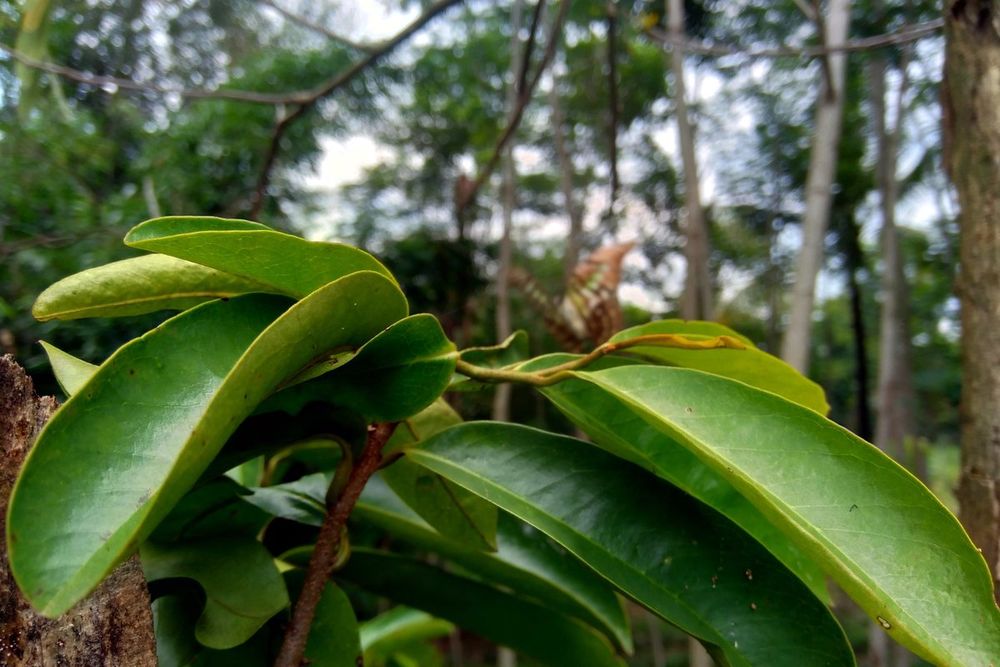
A whole-herb product identifies the plant material used, while an extract is a prepared botanical ingredient. A standardized extract uses selected chemical markers, measured and adjusted to help keep batches consistent. Read the botanical name, plant part and preparation together, then look for the separate standardization details. Keep each description tied to its exact product.[1]
What does whole herb mean on a product?
Read whole herb as the product's description of its botanical material, keeping any named plant part beside it.
Our Raintree Chanca Piedra Capsules ingredient details identify Chanca Piedra, Phyllanthus niruri, as whole herb. Preserve that description when recording the product. The plant name and the material wording belong together in your notes.[2]
Use the product's own part declaration when you need anatomical detail. If it says leaf, root or another specified part, copy that wording. If it says whole herb and you need a more detailed breakdown, ask the manufacturer about the exact product.
This keeps an everyday label term attached to the product that uses it. A general definition or a photograph of the living plant should not be used to add an unlisted part to the ingredient description.
What is an extract?
An extract is a preparation made by using a suitable liquid to separate constituents from botanical material. Extracts can be supplied in liquid or dried forms.[1]
The ingredient wording tells you which preparation a product contains. Look for the plant identity first, then the description of the material or extract. Keep any additional preparation details exactly as the manufacturer presents them.
An extract can also be an ingredient in a capsule. In that case, capsule identifies the product format and extract describes the botanical preparation inside. The two terms answer different questions, so include both in a comparison note.
What does standardized extract mean?
Standardization identifies, measures and adjusts selected chemical markers to help keep batches consistent.[1]
A useful standardization statement names the marker and explains the specification being used. Read that statement as a separate detail from the word extract. Keep the marker name attached to its specification when you make a note.
If the wording is unfamiliar, ask the manufacturer to explain what is being measured and how the statement applies to the named product. A question about the exact wording is easier to answer than a broad request about extract quality.
How can you compare whole-herb and extract descriptions?
Build the comparison around identity, part and preparation, then add any separate standardization statement.
| Detail | What to look for |
|---|---|
| Botanical identity | The common and botanical names |
| Plant material | The part or material description on that product |
| Preparation | Whole herb, extract or other exact wording |
| Standardization | Any separately stated marker and specification |
| Product instructions | The directions and precautions for that exact product |
The Chanca Piedra Extract Capsules ingredient details provide an extract example alongside the whole-herb capsule product. Both named products identify Phyllanthus niruri, while their preparation descriptions differ. Use those descriptions for this comparison.[2, 3]
| Named example | Botanical identity | Preparation wording |
|---|---|---|
| Chanca Piedra Capsules | Phyllanthus niruri | Whole herb |
| Chanca Piedra Extract Capsules | Phyllanthus niruri | Extract |
The shared botanical name makes these examples useful for comparing preparation descriptions. The product names also tell you that both are supplied as capsules. You can therefore separate two questions: which botanical preparation is inside, and which format holds it. The ingredient declaration answers the first; the capsule format answers the second.
Record a standardization statement only where the product information supplies one. An extract name on its own belongs in the preparation field. This lets you compare the declared facts without attaching a marker statement from another product to the one you are considering.
Does whole herb always mean every part of a plant?
Use the material or part specified by the individual product, and ask for clarification when you need more detail.
A plant profile may describe leaves, stems, flowers and roots because it concerns the living plant. An ingredient declaration has a narrower task: it describes the material used in a particular product. Keep those purposes separate when reading.
The Chanca Piedra plant profile gives the botanical background. The individual product information identifies the preparation and its ingredients. Reading both can help you connect the name with the plant while keeping your product record precise.
What should you ask before choosing between preparations?
Ask about any unclear ingredient or standardization wording, then discuss the exact products with your practitioner.
Useful questions focus on the information you need:
- Which plant material does this product use?
- What does the preparation description mean for this named ingredient?
- Is there a standardization statement, and where can I read it?
- Which marker does that statement identify?
- Which directions and precautions belong to this exact product?
Keep the manufacturer's answer with the label or product-page record that prompted it. Include the full product name and any lot identifier shown on your container.
When you settle on a product, return to its own directions. The comparison helps you understand the descriptions; the instructions supplied for that product remain the place to check how it is used.
Precautions: what should you check first?
Talk to your healthcare practitioner before using a supplement, especially if you take any medication. Follow the directions and precautions for the exact product.[4, 5]
Frequently asked questions
Does extract automatically mean standardized?
No. Extract identifies a preparation; standardization describes control of specified chemical markers. Look for a separate statement naming the marker and its specification. Keep those fields separate in your notes, and ask the manufacturer about any wording you need to clarify for the exact product.
Does whole herb always mean the entire plant?
Use the plant material or part specified on the product. If the declaration says whole herb, keep that wording rather than adding an anatomical list. Ask the manufacturer when you need more detail about the material used, and retain the answer with that particular product's information.
Where should I start when comparing two labels?
Start with the full product name, botanical identity, plant material and preparation. Then record any separate standardization statement and other ingredients. This creates a clear comparison of the declared facts, with each description tied to the exact product whose directions and precautions you will read.
Where are the directions for the product I choose?
Use the directions and precautions supplied for that exact product, consulting its container and product page together. If a detail differs or needs clarification, ask the manufacturer with the full product name and identifying information. Discuss supplement use with your healthcare practitioner, especially if you take medication.
Sources
- NIH ODS, Botanical Dietary Supplements Background Information. ods.od.nih.gov
- Raintree Chanca Piedra Capsules. raintree.com
- Raintree Chanca Piedra Extract Capsules. raintree.com
- FDA 101: Dietary Supplements. www.fda.gov
- NCCIH, Using Dietary Supplements Wisely. www.nccih.nih.gov